RESEARCH
From 45 Days to 8: How AI Is Fixing NYC Permits
NYC DEP expands AI permit review to all stormwater applications, cutting processing from 45 days to 8 days for 2,500+ annual submissions
19 Jun 2026
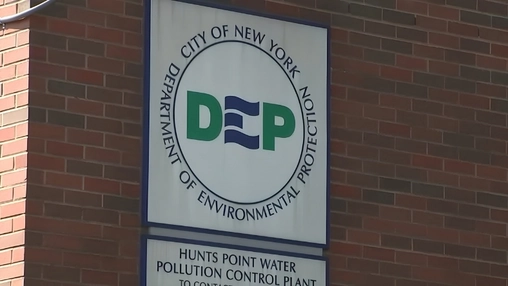
New York City's environmental agency has sharply accelerated stormwater permitting by expanding an AI-assisted review system to cover all stormwater and combined sewer overflow applications. On June 15, 2026, DEP Commissioner Maria Hernandez announced the full deployment, which reduced processing time from 45 days to 8, an 82 percent reduction that officials said is already reshaping how the city handles environmental compliance at scale.
Developed in collaboration with TechSoup Partners, the machine learning model automatically flags regulatory compliance issues and surfaces greener design alternatives for each application it processes. That automation has cut manual review workload for agency staff by 70 percent. With more than 2,500 permit applications arriving annually, the practical effect will reach developers, contractors, and municipal planners almost immediately.
Columbia University's School of Engineering contributed research that shaped the model's capacity to interpret complex stormwater regulations and recommend sustainable design options. Businesses navigating city permitting have long cited lengthy review windows as a drag on project timelines and costs. Cutting that window by more than 80 percent, analysts said, gives developers a measurably faster path from proposal to approval.
Yet the benefits extend beyond the construction sector. Faster permitting means that infrastructure upgrades protecting neighborhoods from flooding and sewer overflows can advance without months of administrative delay. Cities across the country are watching the results closely, given that stormwater management sits at the intersection of climate resilience and sustained urban development pressure.
Governments seeking scalable ways to modernize aging permitting frameworks without proportional staffing increases have increasingly turned to AI-driven review systems. New York's early outcomes suggest machine learning can absorb regulatory complexity while preserving accuracy and accountability. If the numbers hold through a full year of deployment, officials said, the initiative could establish a new standard for how cities govern environmental permitting in an era of growing infrastructure demand.
Related News


topics on the agenda
INTEGRATING AI IN PROCESS OPTIMIZATION, INFRASTRUCTURE INVESTMENT, AND WORKFORCE CAPACITY BUILDING IN A REGIONAL WASTEWATER UTILITY
Day 1: MONDAY, JULY 13, 2026
09:00 - 09:25
TECHNOLOGY INNOVATION UNIT (TIU) STATUS UPDATE AND NEXT STEPS
Day 1: MONDAY, JULY 13, 2026
09:30 - 09:55
PANEL DISCUSSION ON THE CHALLENGES AND OPPORTUNITIES FOR DIGITALIZATION IN THE WATER INDUSTRY
Day 1: MONDAY, JULY 13, 2026
11:00 - 11:30
SUBSCRIBE FOR UPDATES
By submitting, you agree to receive email communications from the event organizers, including upcoming promotions and discounted tickets, news, and access to related events.