REGULATORY
Uncle Sam Demands Cyber Proof From Water Utilities
New EPA cyber resilience rules require US water utilities to prove cybersecurity capabilities and incident response protocols.
18 Jun 2026
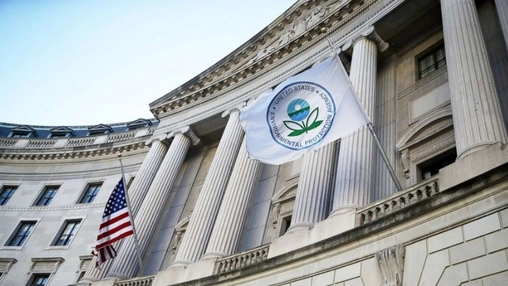
American water utilities face sweeping new federal cybersecurity obligations after the Environmental Protection Agency introduced a compliance mandate targeting vulnerabilities across the nation's critical water infrastructure. Issued in April 2026, the rules require utilities to demonstrate documented security capabilities and incident response protocols. Failure to satisfy those requirements could leave systems exposed at a moment when digital threats against public services are intensifying.
The mandate focuses particular scrutiny on SCADA and operational technology networks, industrial control systems long considered soft targets for malicious actors. Those systems manage everything from treatment processes to distribution pressure, meaning a successful intrusion could disrupt service for millions. Regulators had flagged these gaps for years; the new framework compels utilities to close them.
CISA will serve as a key federal partner in implementation, bringing cybersecurity expertise directly to water sector operators who may lack dedicated internal resources. Smaller utilities, analysts said, stand to benefit most from that collaborative support as compliance deadlines approach. Across the broader industry, the mandate marks a decisive shift from voluntary best practices toward enforceable accountability.
Costs will follow. Municipalities and private water system operators must fund security assessments, staff training, and updated incident response plans to meet the new standards. Consumers, meanwhile, gain stronger assurance that the infrastructure supplying safe water to homes and businesses is shielded against growing digital risks. Demand for industrial cybersecurity solutions tailored to operational technology environments is expected to accelerate sharply as deadlines near.
Water systems now join energy and transportation networks under rigorous federal oversight. Officials suggested the mandate represents a foundational step toward a more resilient sector, one whose security posture could shape infrastructure policy for years ahead.
Related News


topics on the agenda
INTEGRATING AI IN PROCESS OPTIMIZATION, INFRASTRUCTURE INVESTMENT, AND WORKFORCE CAPACITY BUILDING IN A REGIONAL WASTEWATER UTILITY
DAY 1: undefined
09:00 - 09:25
TECHNOLOGY INNOVATION UNIT (TIU) STATUS UPDATE AND NEXT STEPS
DAY 1: undefined
09:30 - 09:55
PANEL DISCUSSION ON THE CHALLENGES AND OPPORTUNITIES FOR DIGITALIZATION IN THE WATER INDUSTRY
DAY 1: undefined
11:00 - 11:30
SUBSCRIBE FOR UPDATES
By submitting, you agree to receive email communications from the event organizers, including upcoming promotions and discounted tickets, news, and access to related events.