REGULATORY
EPA Forces Water Utilities to Prove Cyber Resilience
The EPA's July 2026 national drill forces water utilities to run without SCADA, cloud, or internet access and the stakes are real
4 Jun 2026
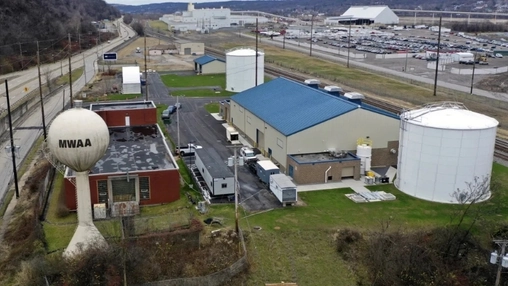
On July 8, 2026, water and wastewater utilities across the United States will face a demanding federal stress test: sustain safe water delivery with no digital infrastructure at all. The Environmental Protection Agency's Office of Water Emergency Response and Cybersecurity announced the National Cybersecurity Drill on May 21, requiring operators to function under progressively degraded conditions, stripped of SCADA systems, cloud access, email, and VoIP. The exercise marks a clear federal shift from issuing guidance to demanding proven operational accountability.
The compliance record driving that urgency is stark. More than 70 percent of water systems inspected by the EPA since September 2023 have failed baseline cybersecurity requirements under Safe Drinking Water Act Section 1433. Risk and resilience recertification deadlines for utilities serving between 3,301 and 49,999 people fell on June 30, days before the drill itself. With approximately 52,000 drinking water systems operating nationally, the gap between regulatory expectation and field-level readiness remains wide.
Recent incidents confirm what enforcement data implies. In 2024, a Russia-linked hacktivist group remotely accessed SCADA controls at a Texas water facility, causing a storage tank to overflow before operators reverted to manual procedures. Separate attacks attributed to pro-Iran groups disabled pressure management systems serving residential customers overseas. Nation-state actors, including China's Volt Typhoon, have been identified as actively targeting domestic water infrastructure.
Mandatory federal reporting requirements are also approaching. The Cyber Incident Reporting for Critical Infrastructure Act will require covered utilities to notify the Cybersecurity and Infrastructure Security Agency of significant incidents within 72 hours once finalized, a deadline that slipped past May 2026 but remains imminent. Utilities without internal reporting protocols already in place face a compressed window to comply. Funding pathways are available through EPA's Drinking Water State Revolving Fund, which covers eligible upgrades including network segmentation, multi-factor authentication, and offline backup infrastructure, precisely the capabilities the July drill is designed to stress-test.
For operators still treating cyber compliance as a documentation exercise, the drill's message is unambiguous: federal expectations now demand demonstrated performance. The results could shape sector-wide policy and investment priorities in the years ahead.
Related News


SUBSCRIBE FOR UPDATES
By submitting, you agree to receive email communications from the event organizers, including upcoming promotions and discounted tickets, news, and access to related events.